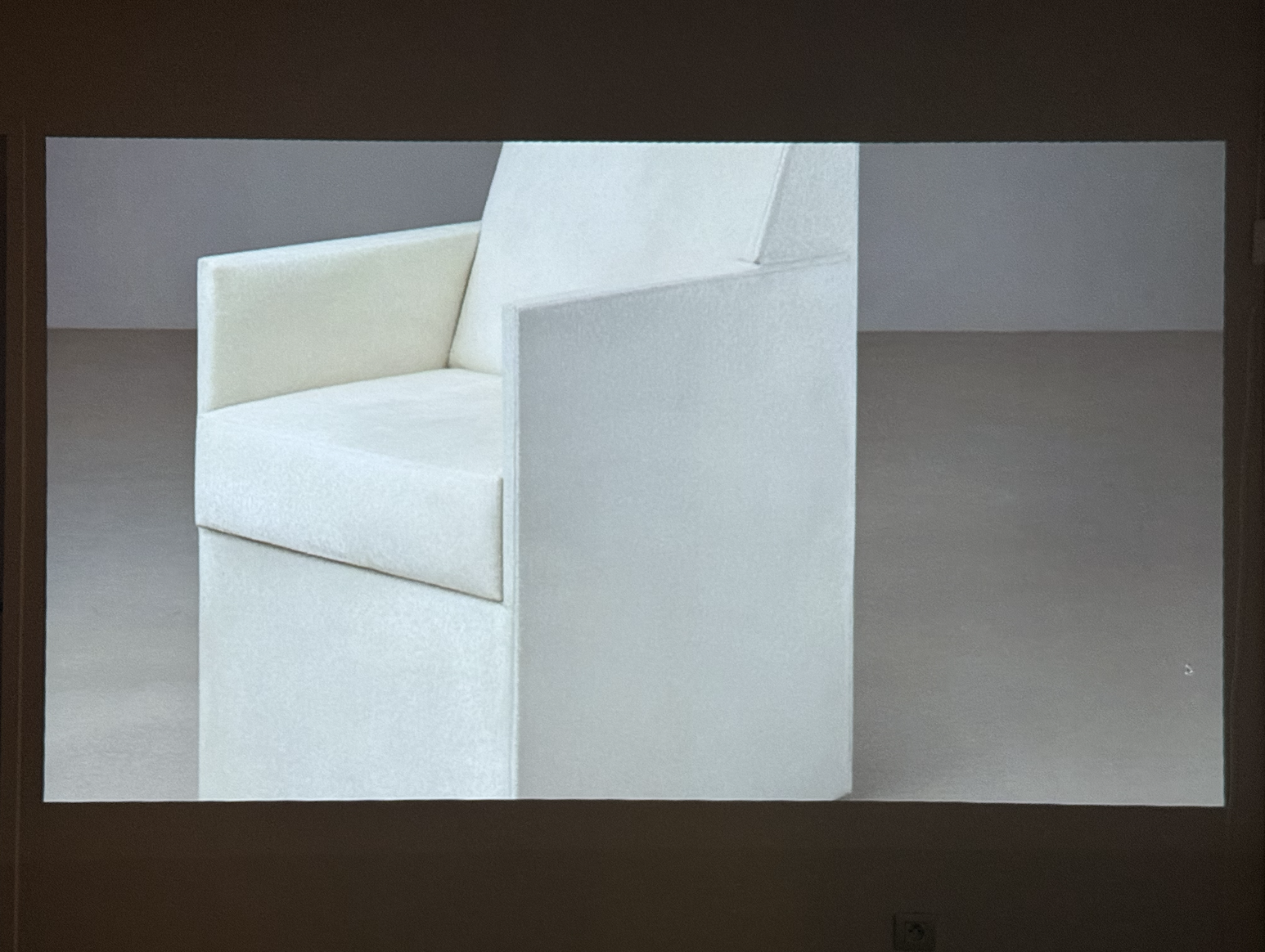
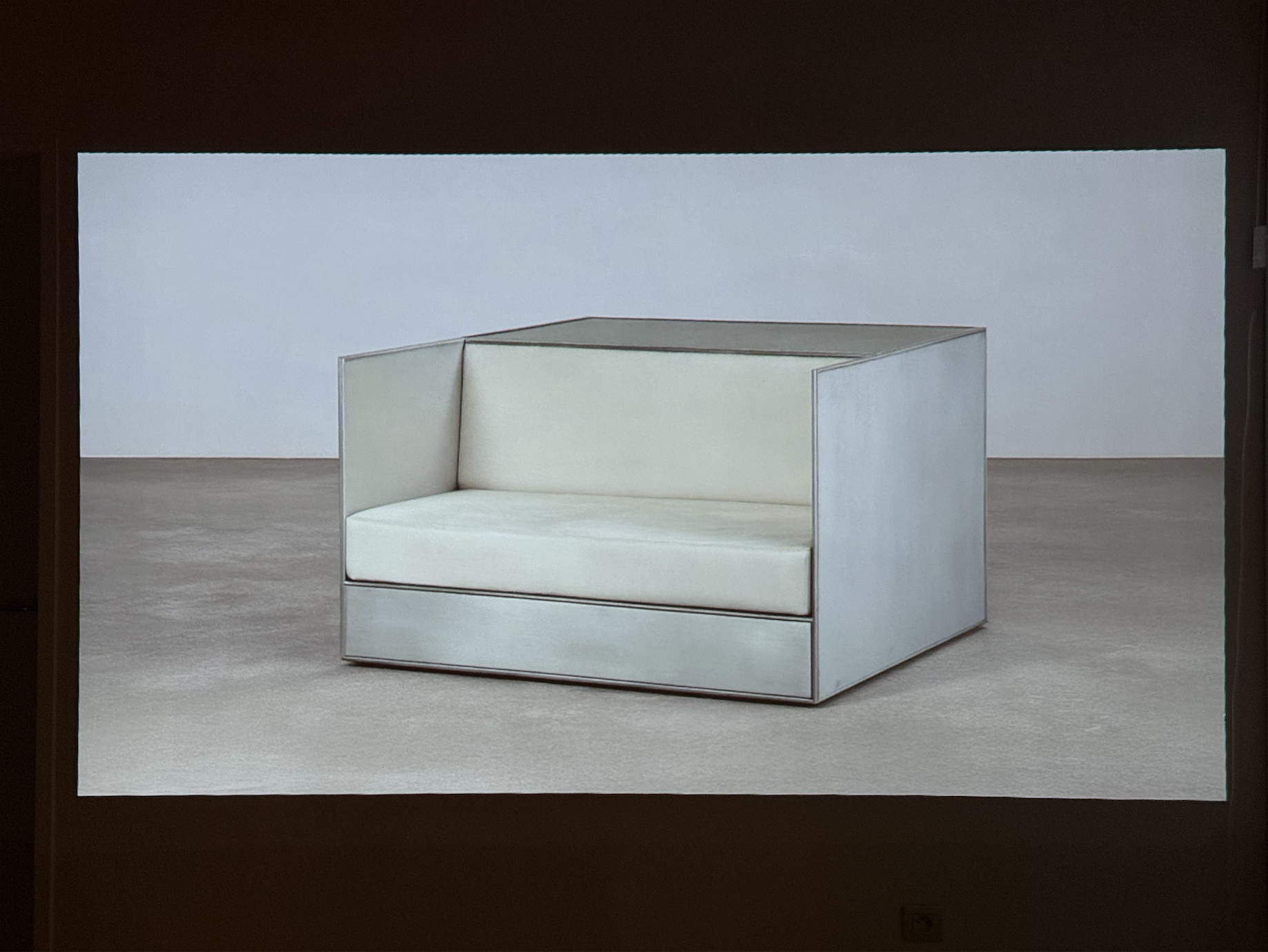
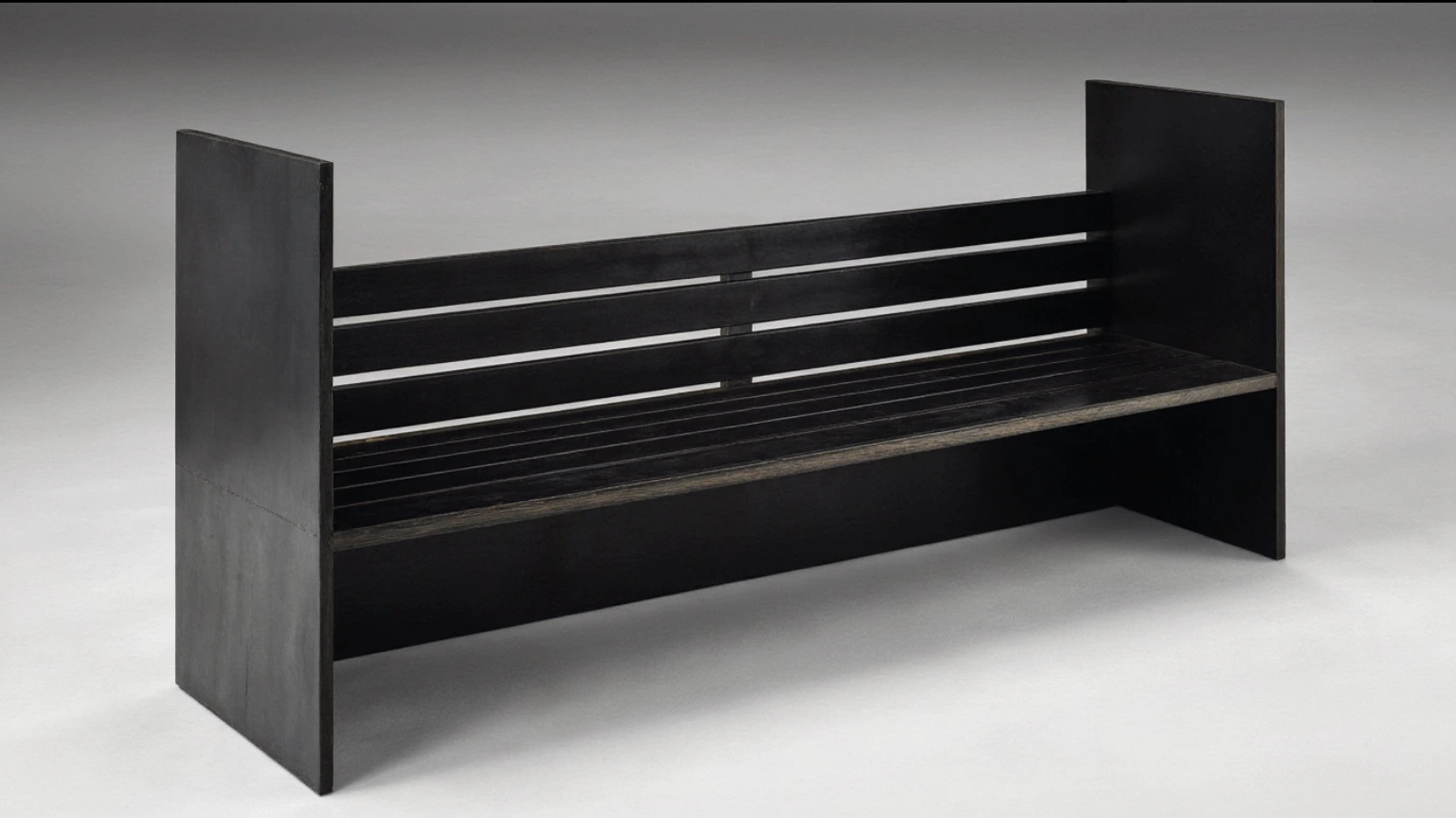
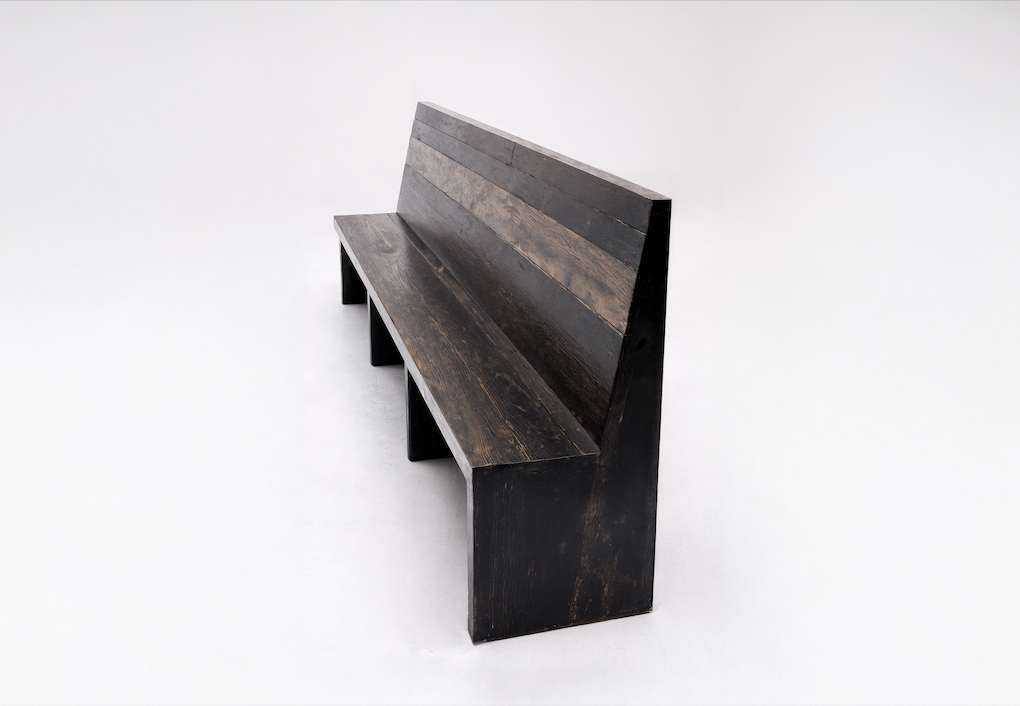
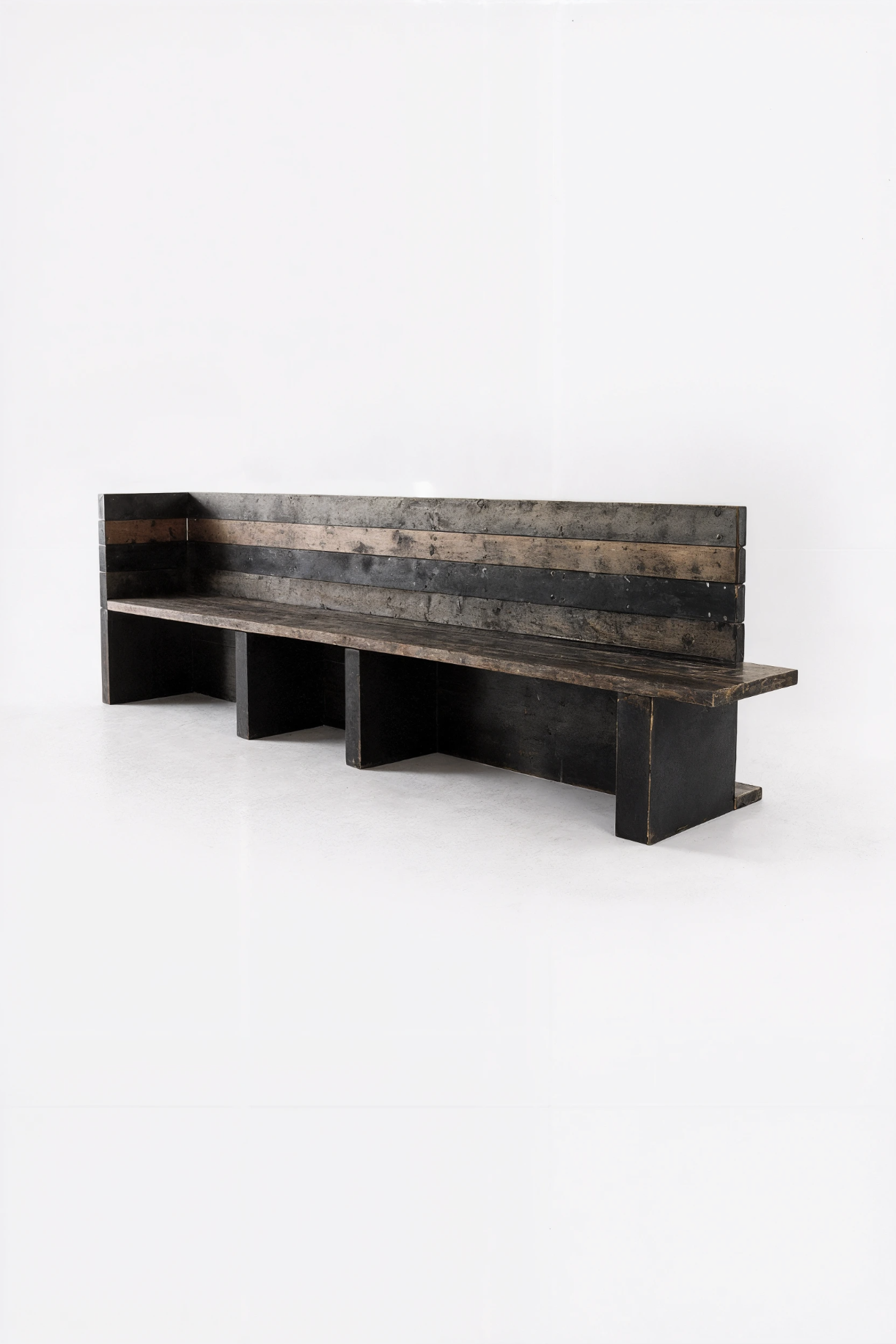
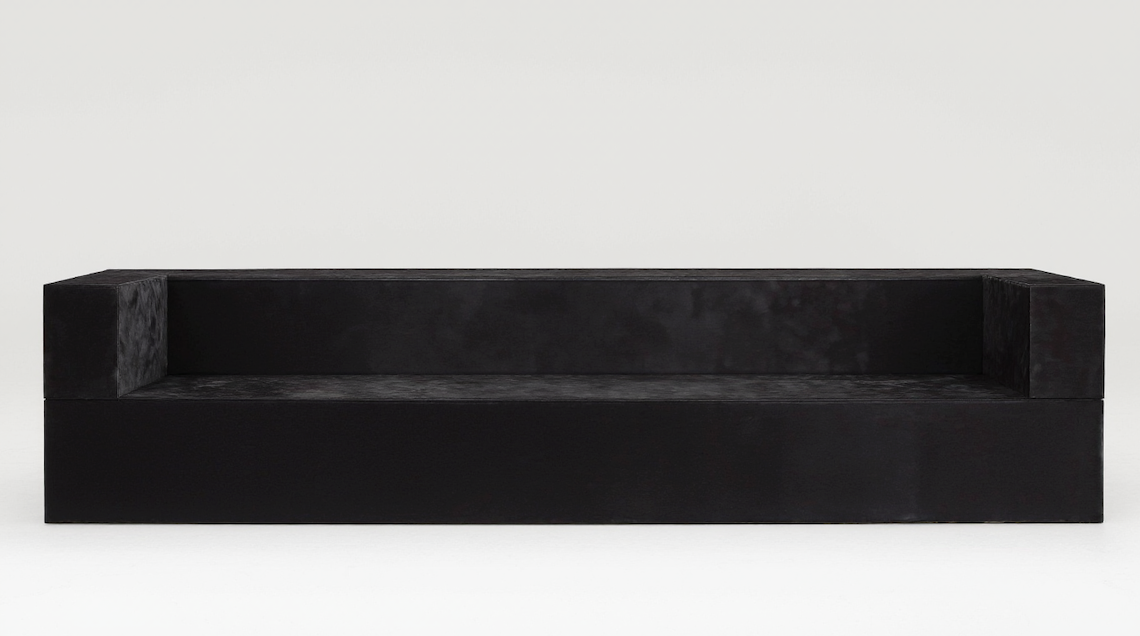
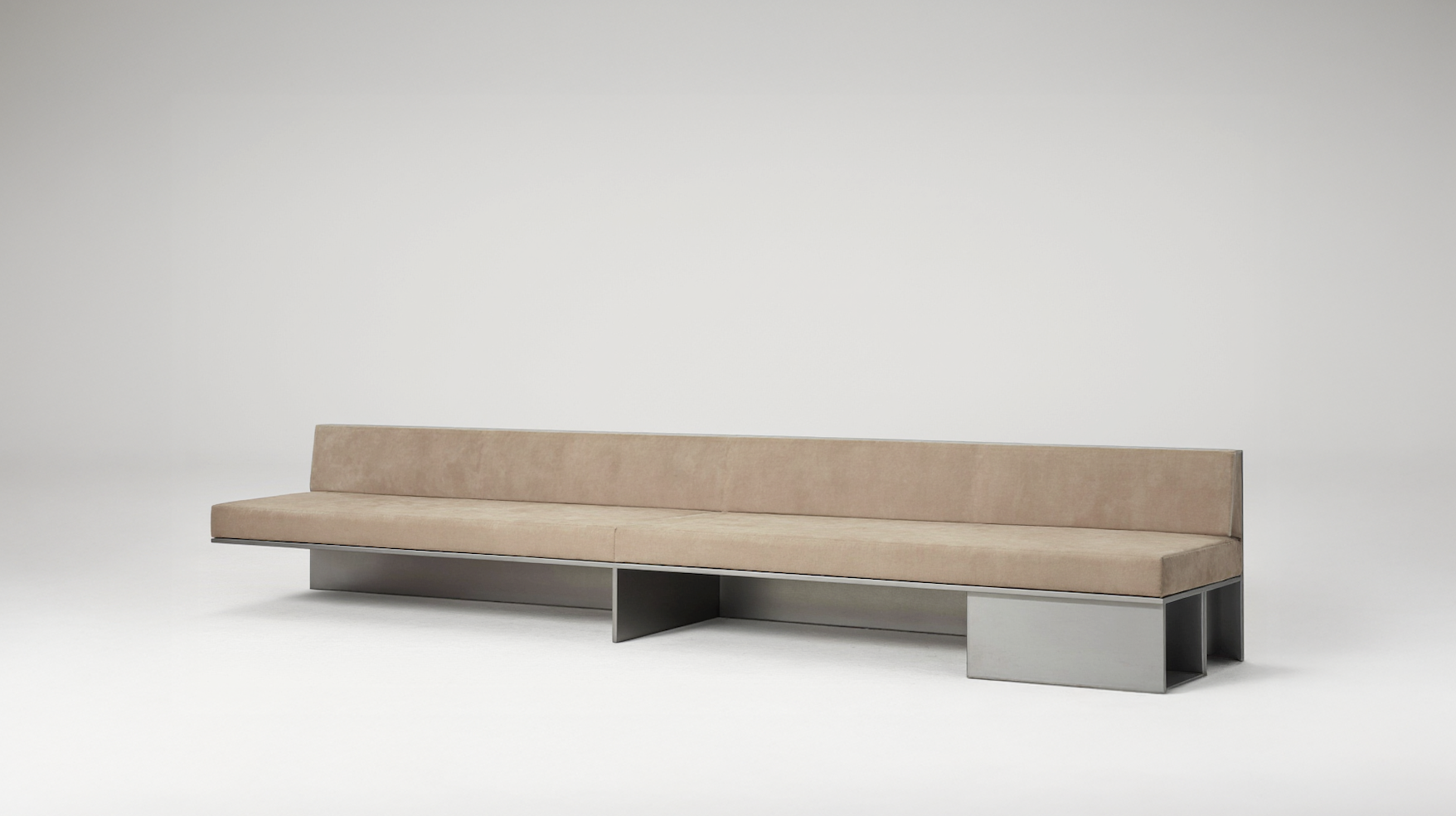
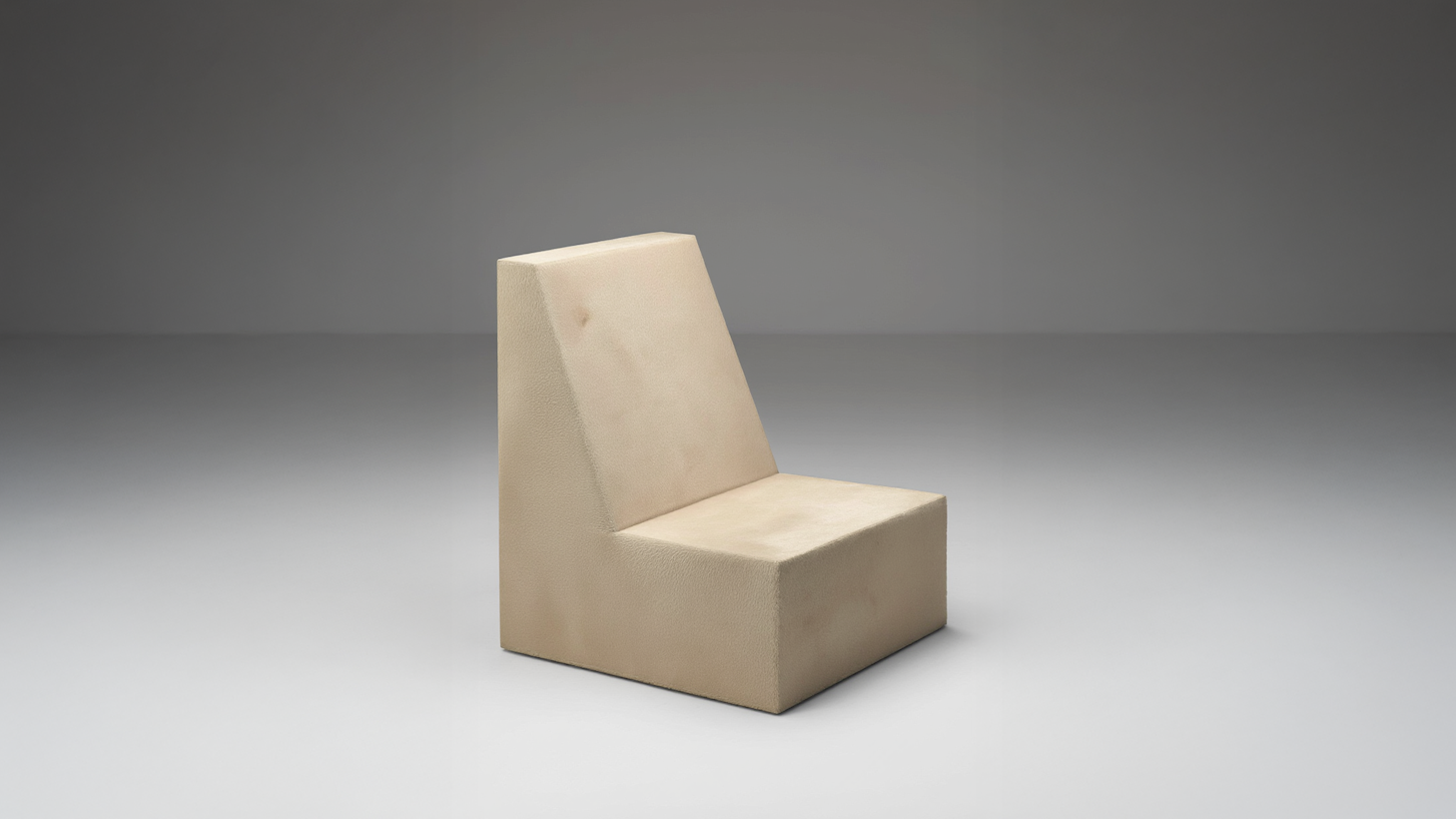
Objects become emotional interfaces. Through materials, proportions, and finishes, we shape reactions as much as forms. What we see: a patina, a balance, a surface, defines how we feel, what we desire, and the direction our taste takes. Perception becomes design: proportions are not rules but sensations that help us understand scale, coherence, and intent.
Behind Products™ engages in an ongoing R&D program focused on furniture and object design, aimed at establishing new design paradigms through the integration of artificial intelligence. The work seeks to expand the epistemological framework of contemporary design practice by interrogating how latent diffusion models (LDMs) and generative systems can operate not simply as tools, but as active agents in the conception and articulation of form, materiality, and spatial logic.
By exploring materials and ideas through advanced tools, we can generate not just single objects, but coherent families, systems of forms that reveal the potential of matter and reinforce the identity of each piece. In this sense, object design is no longer about producing things, but about constructing meaning, crafting relations between people and spaces.
the object and its form no longer follow a linear or procedural logic in which the rendering is understood as the final stage preceding fabrication, rendering produced through AI synthesis becomes the initial act of design, a generative event that opens the field of possibilities rather than closing it. In this sense, image synthesis functions as a speculative instrument that precedes and informs the development of the physical artefact, completely inverting the traditional sequence of conception–representation–realization.
Through a series of iterative studies, the research examines the capacity of AI to generate alternative typologies, speculative material assemblies, and novel approaches to fabrication. These investigations serve as critical instruments for evaluating the potentials and limits of computationally augmented design. Ultimately, the project aims to contribute to the broader academic discourse by proposing AI methodologies that reframe conventional notions of authorship, function, and production within the domain of furniture and object design.
OBJ-23-24-25-26-27-28-29
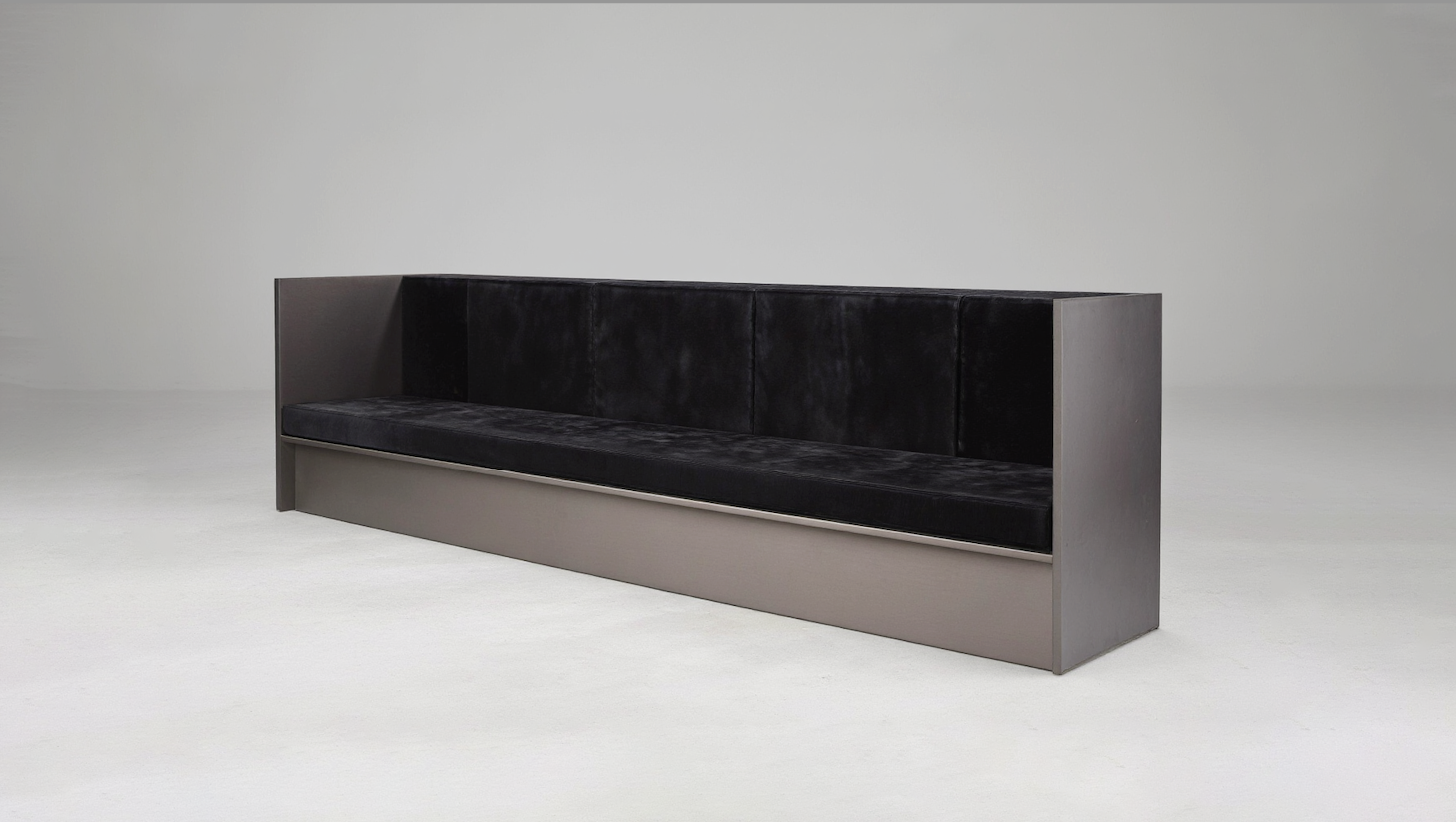
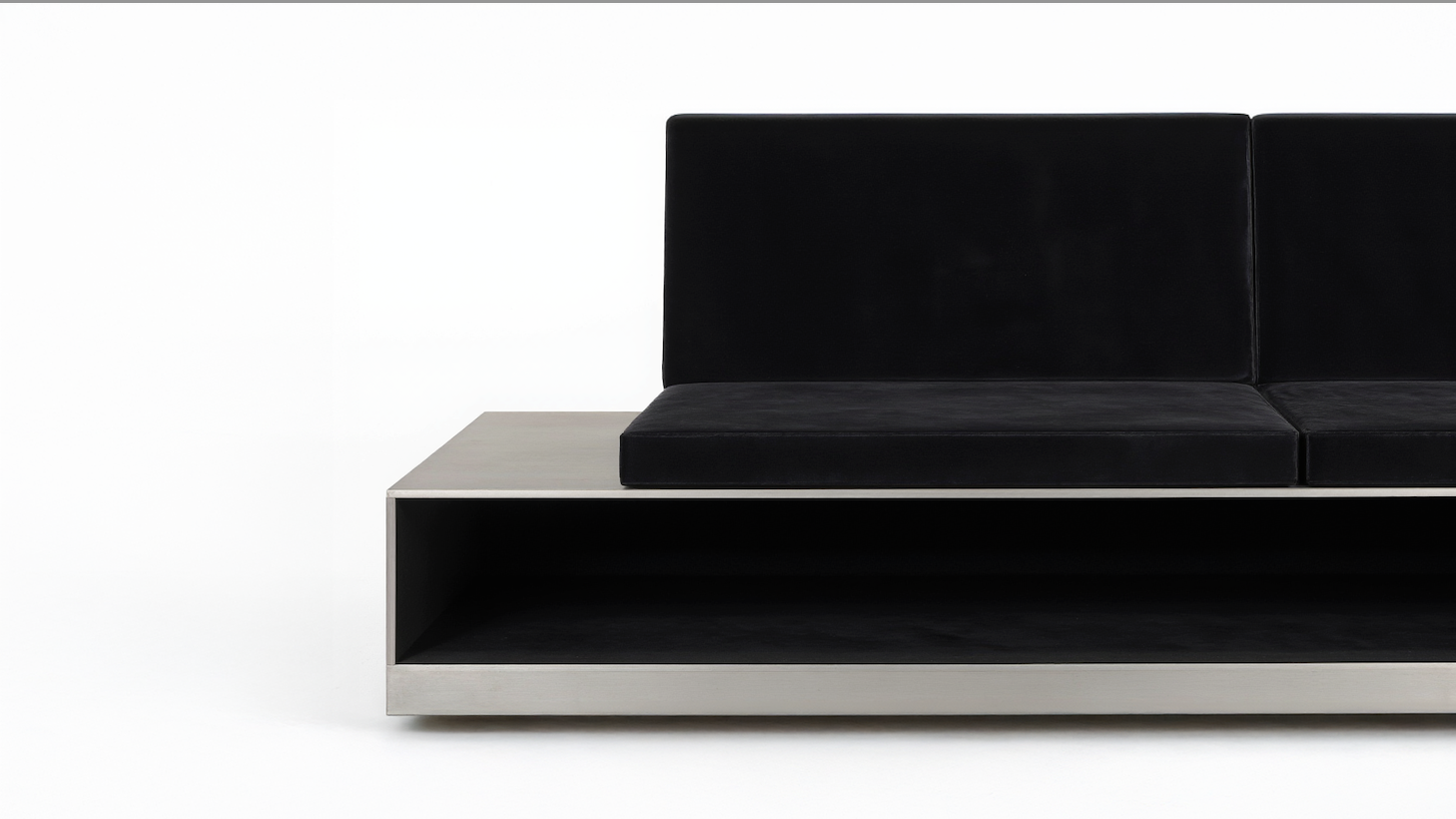
Sofa
Paris, FR
91 × 300 × 88 cm
36 × 118 × 34.5 in
Sofas are designed in sheet metal and natural leather
OBJ-20-21-22
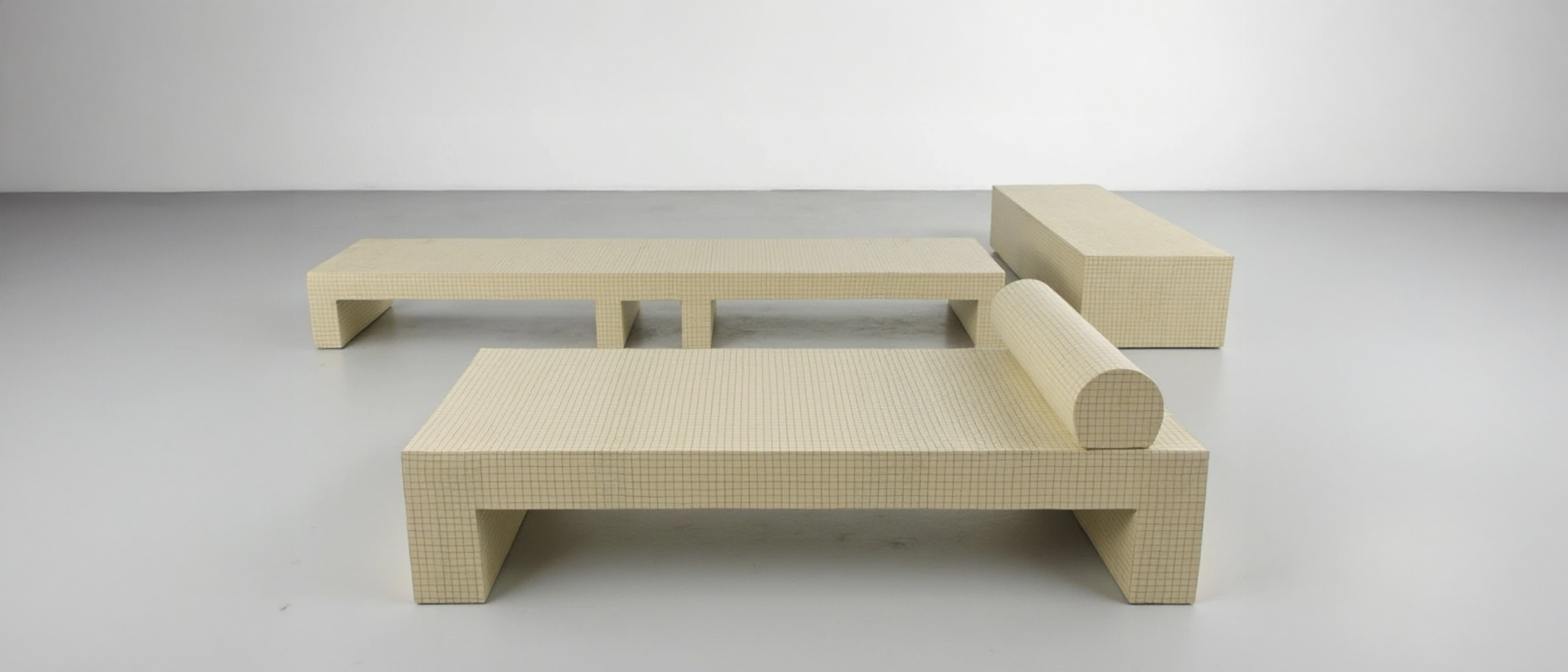


Living set
Paris, FR
Daybed
40 × 200 × 180 cm
15.75 × 79 × 71 in
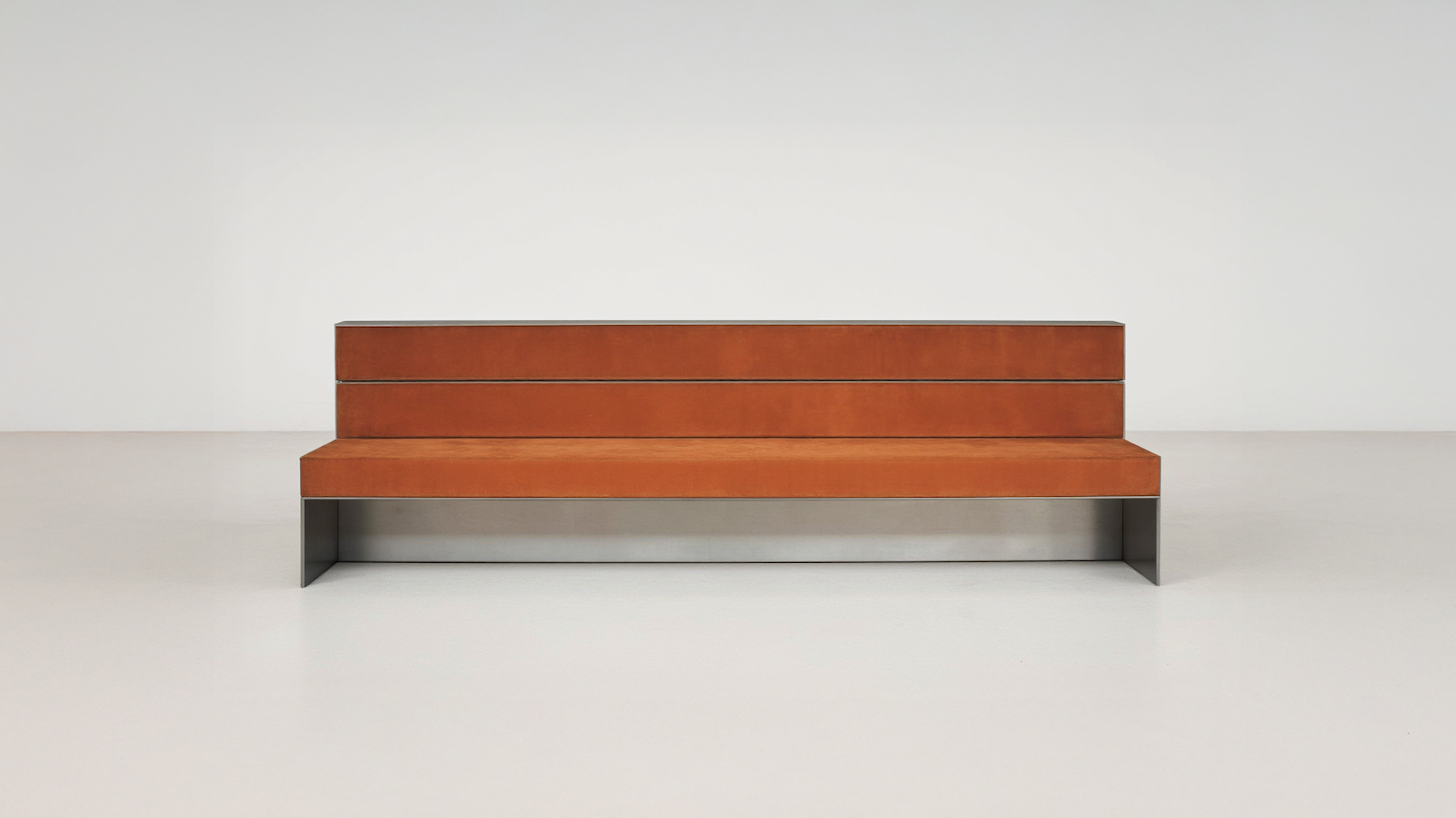
Bench
40 x 244 x 88 cm
15.75 x 96 x 34.5 in
Shelf
60 × 200 × 180 cm
23.5 × 79 × 71 in
OBJ-19
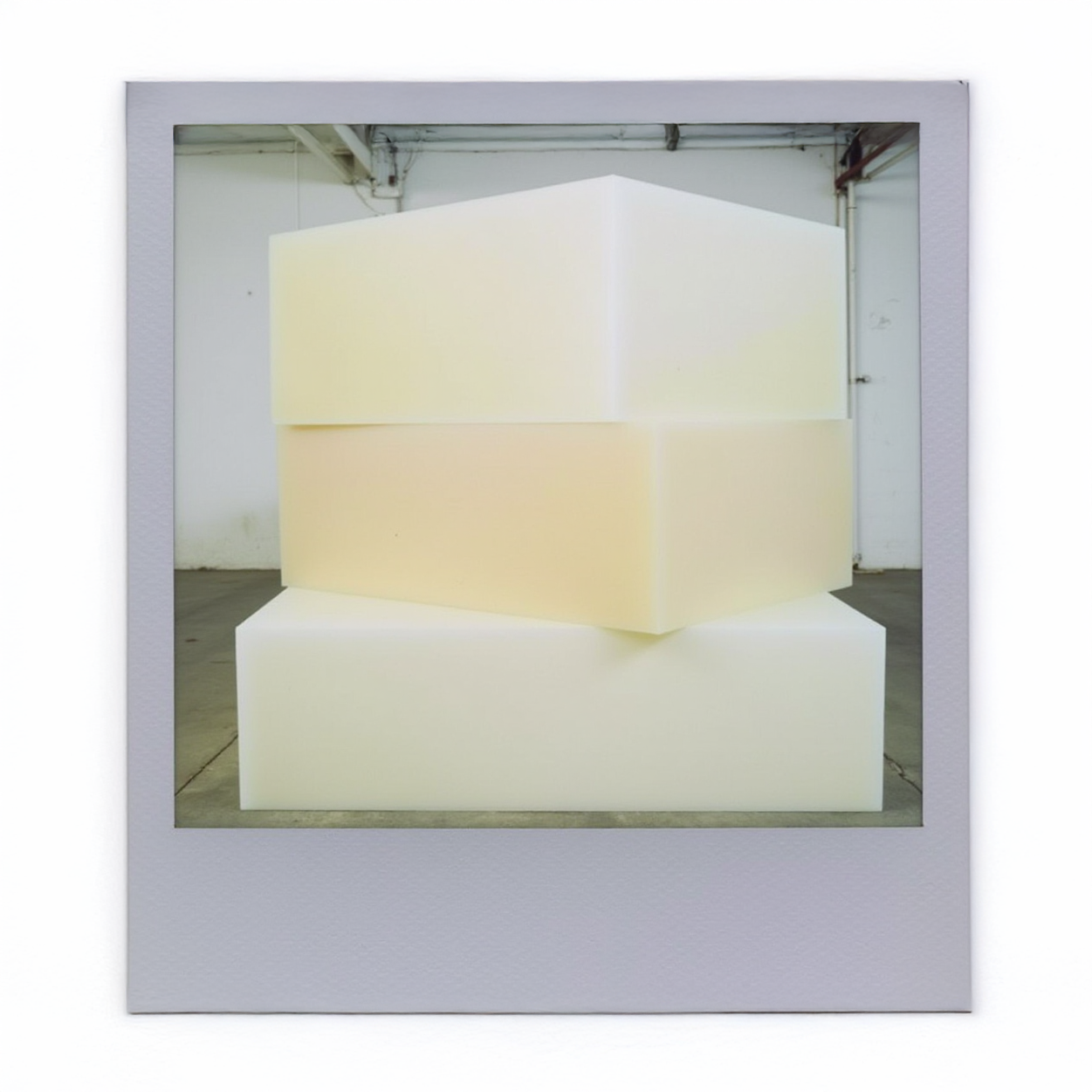
Platforms
Los Angeles, CA
90 x 500 x 500 cm
35,5 x 196 x 196 in
Designed in Foam
OBJ-17-18
Chair
Paris, FR
76 x 38 x 38 cm
30 x 15 x 15 in
Designed in natural leather
Shelf Armchair
91 x 120 x 160 cm
35.75 x 47 x 63 in
Designed in sheet metal and natural leather
OBJ-16
Dining set
Tokyo, JPN
A dining set composed in sequential order from left to right: a soy vessel, a small bowl, a glass, a plate, and a shallow dish for amuse-bouche
OBJ-15
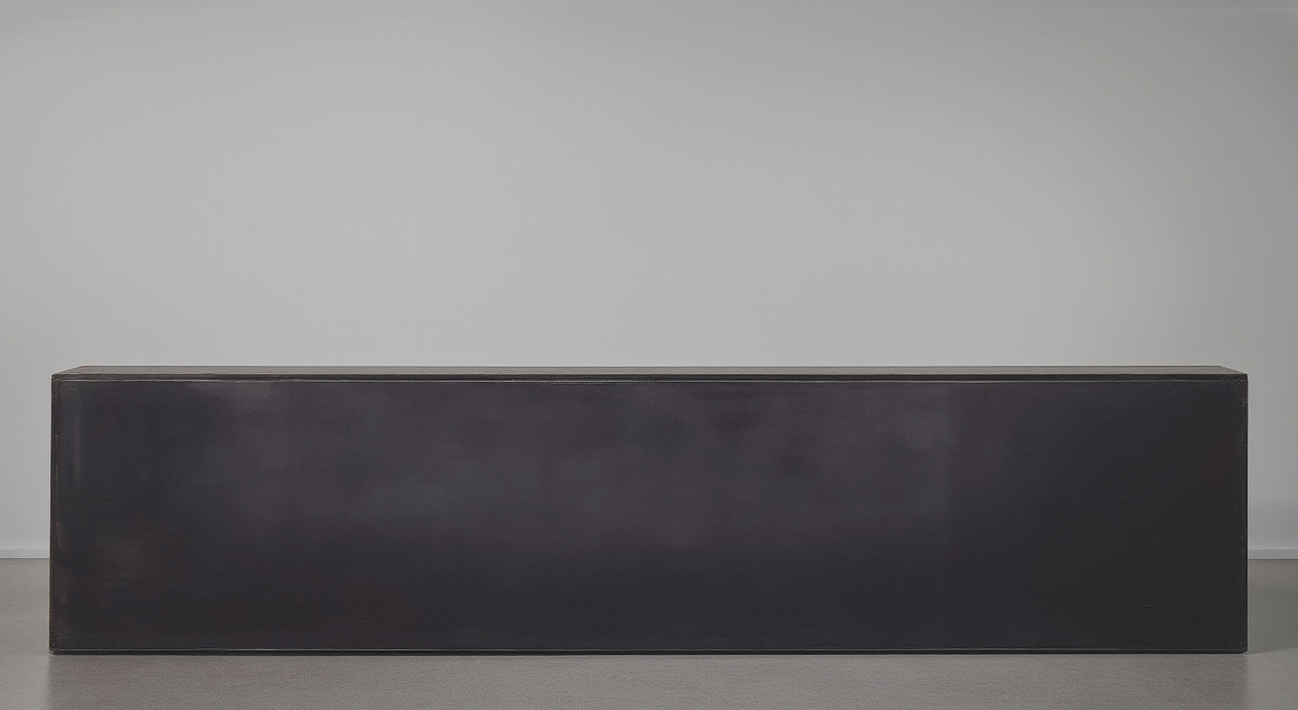
Desk
Paris, FR
76 × 426 × 115 cm
30 × 168 × 45.5 in
Designed in sheet metal
OBJ-12-13
Bed
Paris, FR
40 × 200 × 180 cm
15.75 × 79 × 71 in
40 × 200 × 230 cm
15.75 × 79 × 90.5 in
Beds are designed in sheet metal
OBJ-08-09-10-11
Dark wood Figures
Tokyo, JPN
Bench
160 × 200 × 46 cm
63 × 78.75 × 18 in
Bench
72 × 200 × 46 cm2
8.25 × 78.75 × 18 in
Bench
72 × 200 × 46 cm
28.25 × 78.75 × 18 in
Desk
76 × 200 × 46 cm
30 × 78.75 × 18 in
OBJ-05-06-07
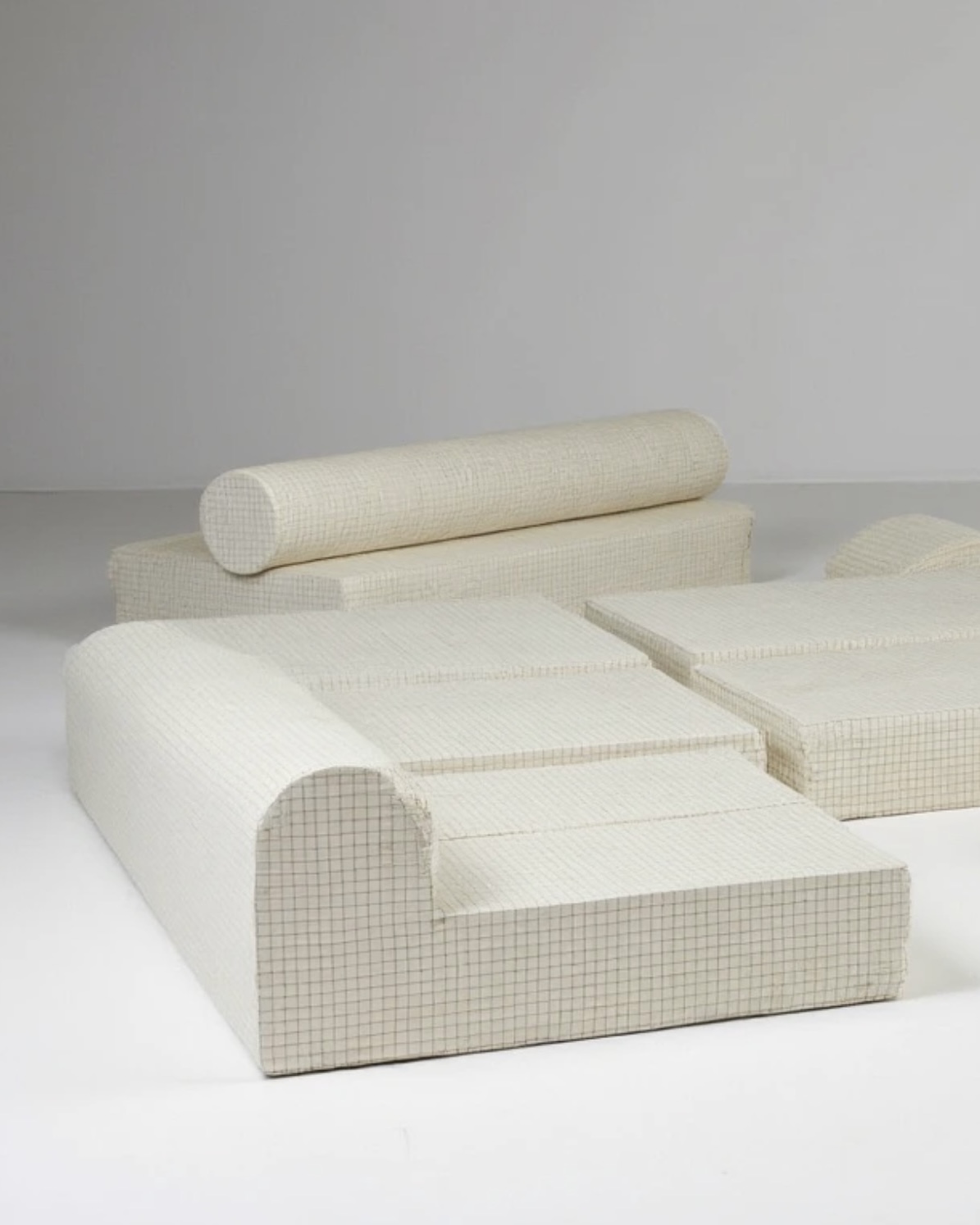
OBJ-05-06-07
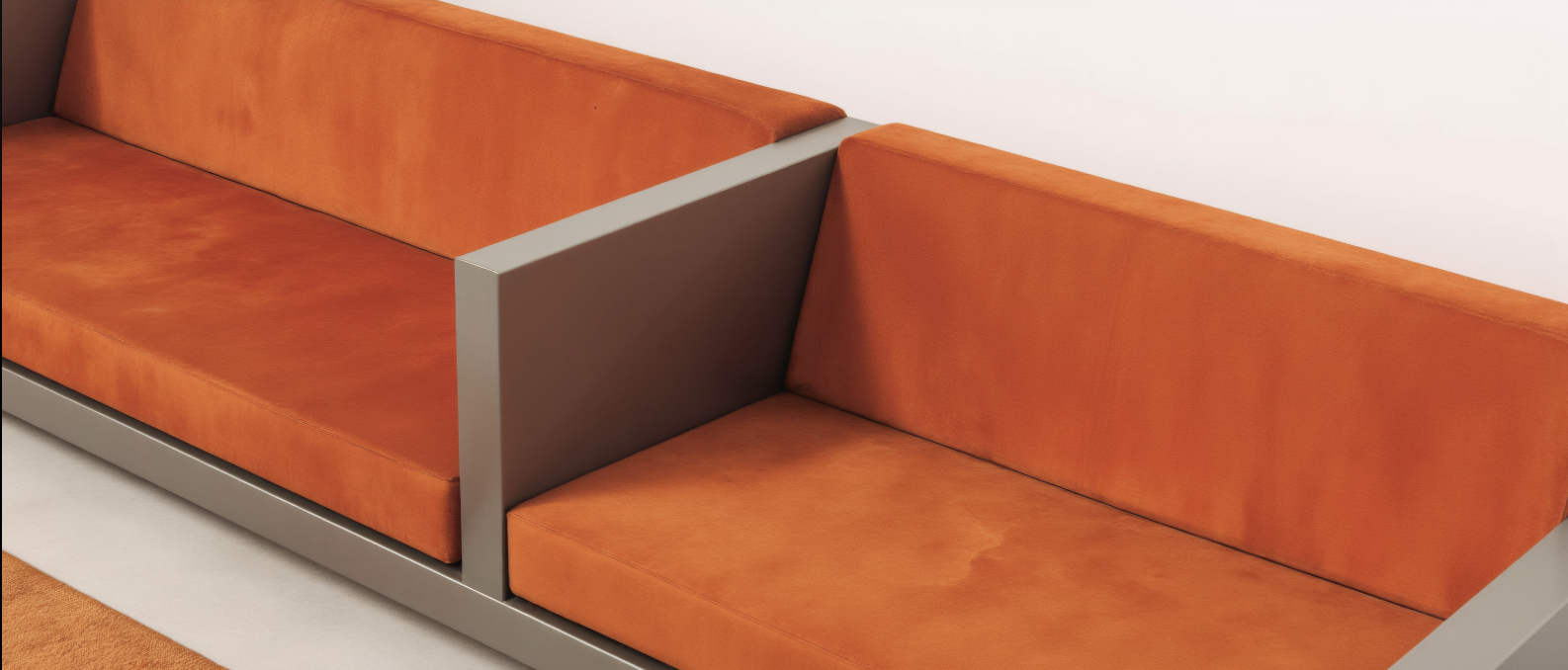
Sofa
Paris, FR
91 × 300 × 88 cm
35.75 × 118 × 34.5 in
112 × 203 × 115 cm
44 × 80 × 45.5 in
91 × 300 × 88 cm
35.75 × 118 × 34.5 in
Objects are designed in natural leather Suede
OBJ-04

Daybed
Paris, FR
240 × 732 × 240 cm
94.5 × 288 × 94.5 in
Designed in sheet metal and natural leather
OBJ-02-03
Sofa
Paris, FR
91 × 300 × 88 cm
35.75 × 118 × 34.5 in
Designed in sheet metal and natural leather
Chair
76 x 38 x 38 cm
30 x 15 x 15 in
Designed in natural leather
OBJ-01
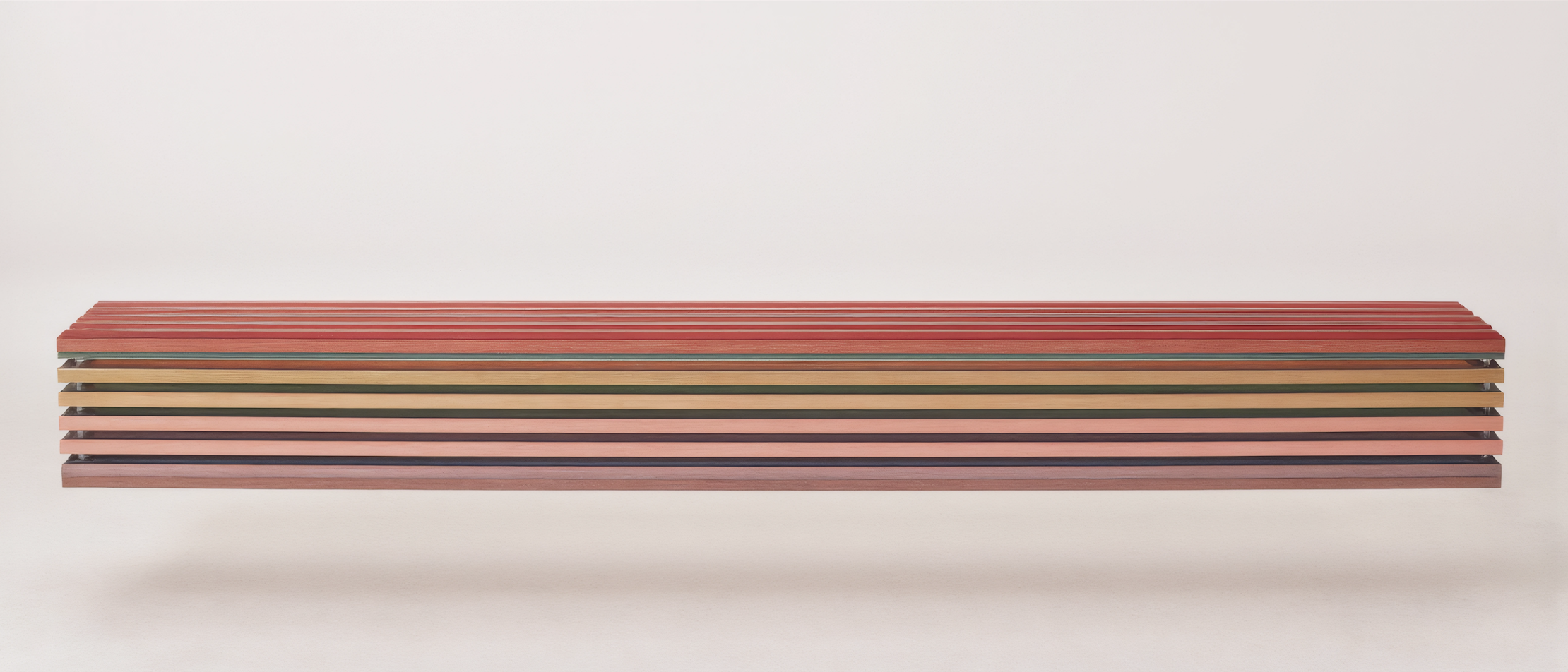
Bench
Paris, FR
43 x 244 x 28 cm
17 x 96 x 11 in
Designed in sheet metal